


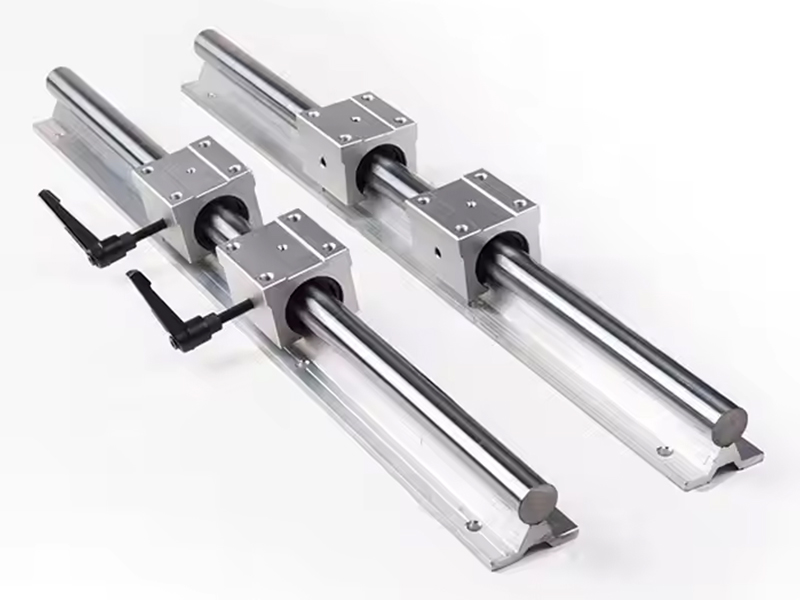
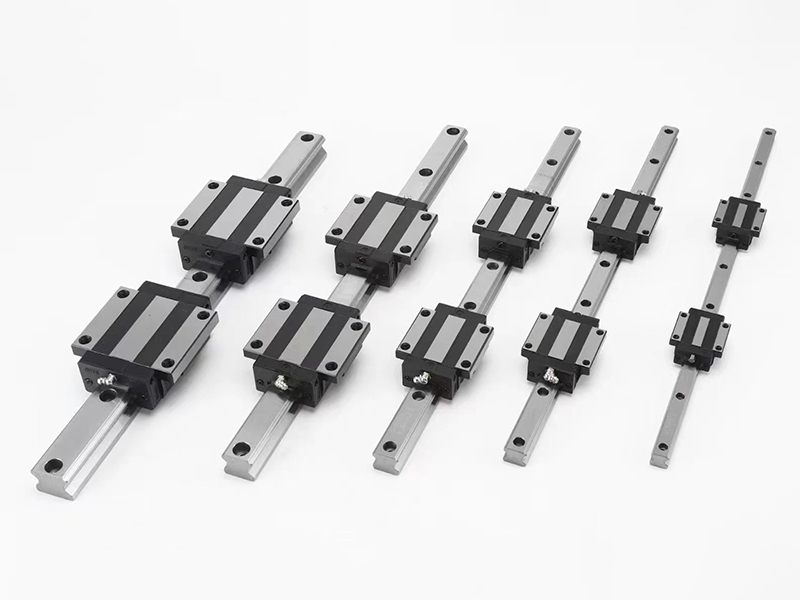
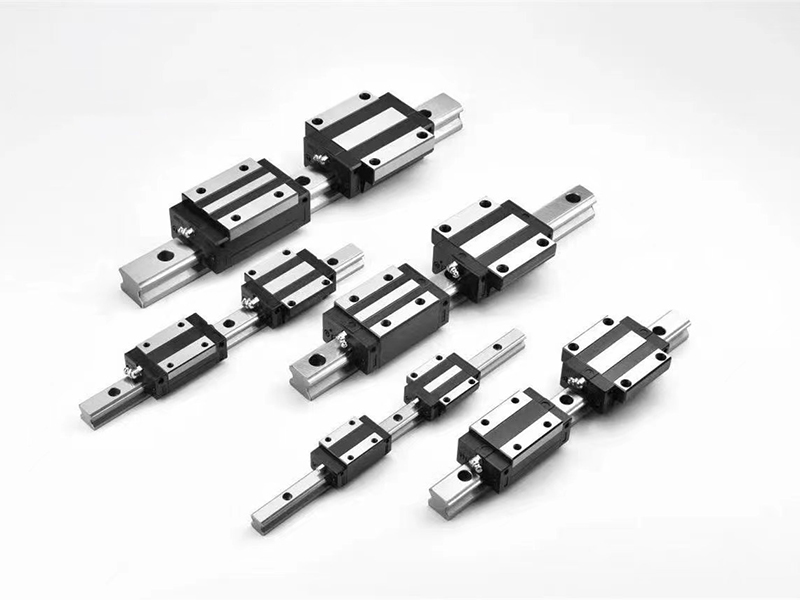
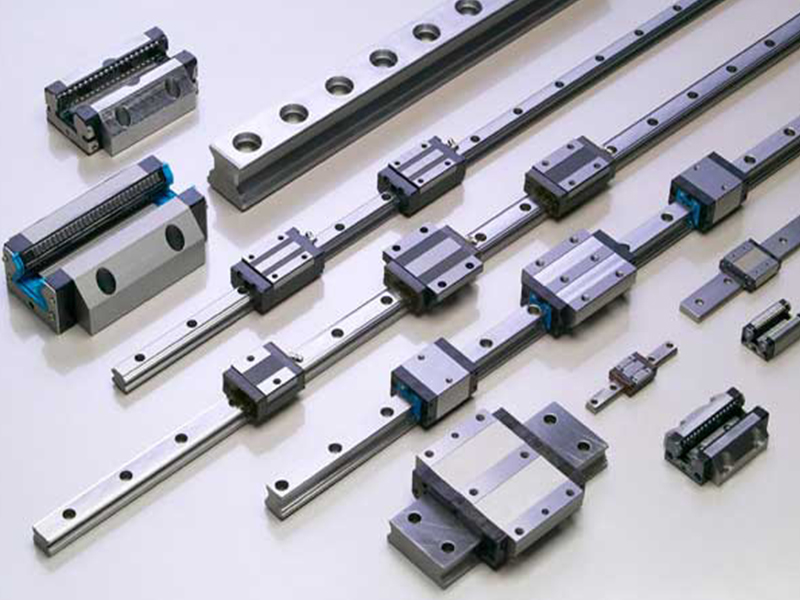
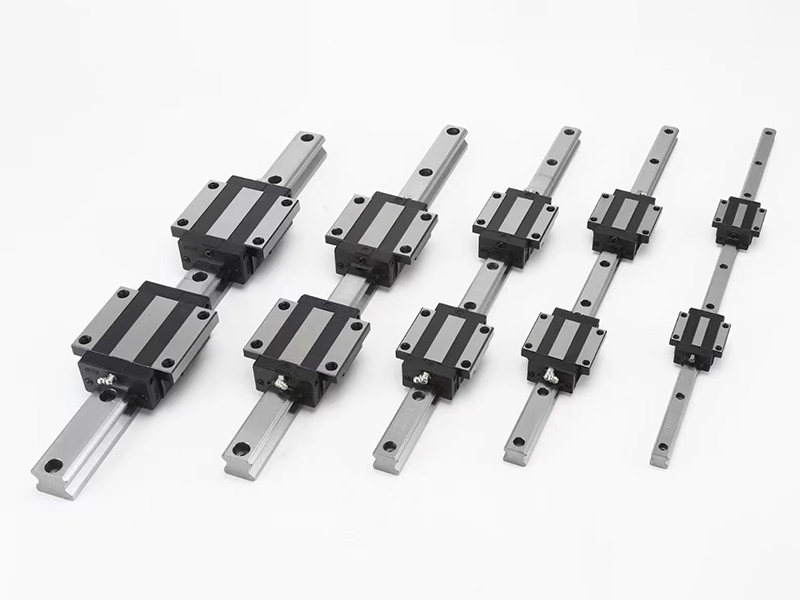
The world of precision manufacturing demands perfection in every component, especially in CNC linear guide systems. As global leaders in precision motion technology, we present this definitive guide to installing bearing linear guide systems for optimal performance. This comprehensive resource addresses the critical installation requirements for bearing linear rail assemblies, bearing linear slide components, and complete linear bearing slide rails systems. Our extensive industry data reveals that proper installation techniques can extend system lifespan by 300% while improving accuracy by 45%. Whether you're working with standard CNC linear guide configurations or specialized bearing linear slide arrangements, this guide provides successful implementation of your linear bearing slide rails infrastructure.
Section 1: Foundational Principles of Linear Guide Installation
1.1 The Science Behind Precision Alignment
CNC linear guide system begins with fundamental alignment principles. The installation process for bearing linear guide systems requires understanding multiple interacting factors. When installing bearing linear rail components, engineers must account for cumulative error sources that can compromise even the highest-quality bearing linear slide assemblies. Our research demonstrates that properly installed linear bearing slide rails systems maintain accuracy 80% longer than hastily installed equivalents.
The installation methodology for CNC linear guide systems varies significantly based on application requirements. Heavy-duty machining centers employing bearing linear guide technology demand different installation protocols than high-speed automation systems using bearing linear rail components. For precision measuring equipment with bearing linear slide mechanisms, installation tolerances become exceptionally stringent. Regardless of application, all linear bearing slide rails installations share common foundational requirements.
1.2 Pre-Installation Environmental Assessment
Before beginning any CNC linear guide installation, conduct a comprehensive environmental assessment. For bearing linear guide systems, temperature stability represents a critical factor—thermal variations exceeding ±2°C can induce dimensional changes in bearing linear rail assemblies that compromise precision. Similarly, vibration analysis is essential for bearing linear slide installations in dynamic environments. When planning linear bearing slide rails implementation, measure ambient vibration levels and implement isolation strategies if readings exceed 0.5g RMS.
Contamination control represents another vital pre-installation consideration for CNC linear guide systems. Even microscopic particulates can accelerate wear in bearing linear guide components by creating stress concentrations. For bearing linear rail installations in cleanroom environments, maintain ISO Class 7 or better conditions. When working with bearing linear slide assemblies, use designated clean tools that haven't been exposed to workshop contaminants. Throughout the linear bearing slide rails installation process, maintain positive air pressure in the work area to minimize airborne particle ingress.
Section 2: Technical Specifications and Requirements
2.1 Mounting Surface Preparation Standards
The foundation for any CNC linear guide system begins with properly prepared mounting surfaces. For bearing linear guide installations, mounting surface flatness should not exceed 0.015mm/1000mm, with local deviations limited to 0.005mm over any 100mm span. When preparing surfaces for bearing linear rail installation, surface roughness must not exceed Ra 0.8μm to ensure optimal contact distribution. For bearing linear slide systems requiring maximum stiffness, consider surface grinding with subsequent hand-scraping to achieve optimal oil retention characteristics.
The installation of linear bearing slide rails demands particular attention to surface hardness and structural integrity. Mounting surfaces should demonstrate hardness values at least 20% greater than the bearing linear rail components to prevent deformation under preload forces. When installing CNC linear guide systems on aluminum or composite structures, incorporate steel reinforcement plates to distribute clamping forces evenly. For bearing linear guide applications involving high acceleration, verify that mounting surfaces can withstand dynamic forces exceeding 150% of operational requirements.
2.2 Dimensional Verification Protocols
Prior to bearing linear rail installation, verify all critical dimensions using calibrated metrology equipment. For CNC linear guide systems, this includes rail straightness (≤0.01mm/1000mm), height consistency (≤0.005mm variation), and width uniformity (≤0.003mm tolerance). When inspecting bearing linear slide components, measure block parallelism (≤0.002mm deviation) and mounting hole pattern accuracy (positional tolerance ≤0.01mm). Before linear bearing slide rails assembly, confirm that all components are within manufacturer specifications through comprehensive dimensional analysis.
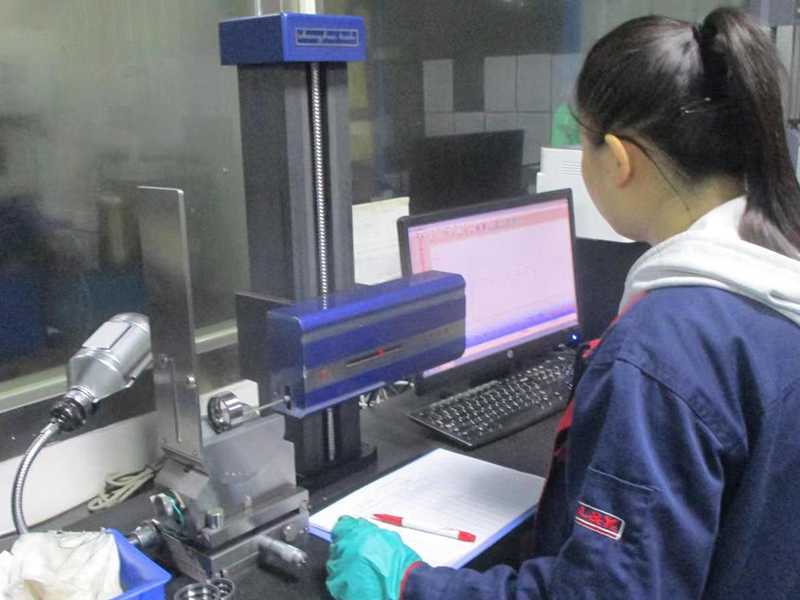
The verification process for bearing linear guide or CNC linear guide systems extends beyond simple dimensional checks. Perform surface topography analysis on bearing linear rail or CNC linear guide raceways using optical profilometers to detect manufacturing artifacts that could affect performance. For CNC linear guide components intended for ultra-precision applications, conduct roundness measurements on recirculating elements to verify form errors below 0.0005mm. When evaluating bearing linear slide assemblies, perform functional testing of lubrication channels and seal integrity before installation of linear bearing slide rails or bearing linear rail systems.
Section 3: Installation Methodology and Procedures
3.1 Reference Rail Installation Technique
The installation of the primary reference rail establishes the accuracy foundation for the entire CNC linear guide system. Begin bearing linear guide installation by applying positioning compound to prepared mounting surfaces—this material fills microscopic irregularities to improve contact area. When mounting the initial bearing linear rail, use precisely ground parallels to establish preliminary alignment before introducing fasteners. For bearing linear slide systems, employ laser alignment systems capable of detecting angular deviations as small as 0.5 arc seconds.
The installation procedure for linear bearing slide rails reference components follows a carefully sequenced tightening protocol. Secure the CNC linear guide rail using only 25% of final torque initially, allowing for adjustment during alignment verification. When installing bearing linear guide systems, use dial indicators with 0.001mm resolution to monitor rail straightness. For bearing linear rail installations exceeding 2000mm length, implement intermediate support points to counteract gravitational sag, particularly important for bearing linear slide applications requiring exceptional straightness. Throughout linear bearing slide rails assembly, maintain temperature stability within ±1°C to prevent thermal expansion effects.
3.2 Secondary Rail Alignment Procedures
Aligning the secondary rail relative to the primary reference represents the most critical phase of CNC linear guide installation. For bearing linear guide systems, use master carriage techniques with precision ground parallel bars to establish initial alignment within 0.01mm. When installing bearing linear rail pairs, employ electronic levels with 0.001mm/m resolution to ensure perfect coplanarity—particularly crucial for bearing linear slide systems supporting moment loads. The alignment of linear bearing slide rails secondary components must account for both parallel and angular relationships to the primary reference.
Advanced alignment techniques for bearing linear guide systems include interferometric methods. For ultra-precision CNC linear guide installations, these systems can verify straightness, flatness, and parallelism. When aligning bearing linear rail assemblies, incorporate thermal growth compensation based on expected operational temperature ranges. For bearing linear slide systems operating in temperature-controlled environments, alignment can be optimized for a specific temperature point. The final verification of linear bearing slide rails alignment should include dynamic testing under simulated operating conditions.
Section 4: Technical Validation and Performance Verification
4.1 Geometric Accuracy Assessment
The validation process for linear bearing slide rails includes flatness assessment of the entire motion plane. When testing CNC linear guide systems, perform circular tests at multiple heights to evaluate volumetric accuracy—particularly important for bearing linear guide applications in multi-axis systems. For bearing linear rail installations supporting heavy loads, conduct deflection testing under simulated operating conditions. The geometric validation of bearing linear slide systems should be documented in comprehensive reports.
4.2 Dynamic Performance Evaluation
The evaluation of bearing linear guide systems extends to thermal performance under operating conditions. Monitor temperature distribution along bearing linear rail assemblies during extended operation to identify hotspots indicating excessive friction. For CNC linear guide applications involving high acceleration, measure thermal growth using embedded sensors. When testing bearing linear slide systems, evaluate lubrication performance by monitoring film thickness. The comprehensive assessment of linear bearing slide rails dynamic performance provides critical data.