


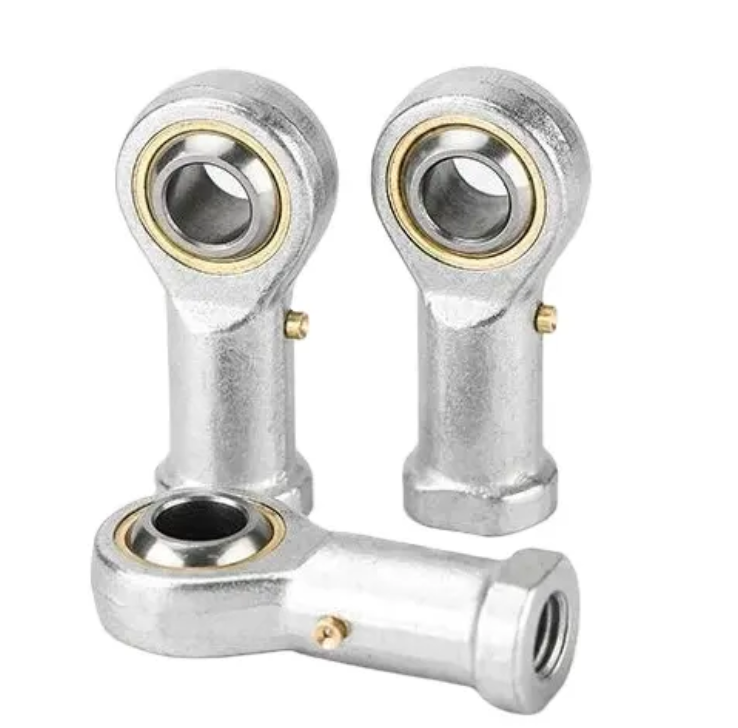
Choosing the right linear bearing is a critical decision in any linear motion system. Whether you are designing industrial automation equipment, CNC machines, or precision instruments, the performance, lifespan, and efficiency of your system heavily depend on selecting the correct linear bearing.
However, with so many options available—ball bearings, roller bearings, plain bushings, and more—many engineers and buyers struggle to identify the best fit for their application.
In this comprehensive guide, we will walk you through how to choose a linear bearing, covering types, materials, load capacity, environment, and cost considerations. This guide is especially useful for OEM buyers, distributors, and engineers looking for reliable and cost-effective solutions.
What is a Linear Bearing?
A linear bearing is a mechanical component designed to provide smooth linear motion with minimal friction. Unlike rotary bearings, which support rotational movement, linear bearings enable objects to move in a straight line.
Common applications:
· CNC machines
· Automation equipment
· Robotics
· Packaging machinery
· Medical devices
Related Keywords:
· linear motion bearing
· linear guide bearing
· linear shaft bearing
· linear slide bearing
Types of Linear Bearings
Understanding different types of linear bearings is the first step in making the right choice.
1. Ball Linear Bearings
Ball linear bearings use recirculating balls to reduce friction.
Advantages:
· Low friction
· High precision
· Suitable for high-speed applications
Disadvantages:
· Sensitive to contamination
· Requires lubrication
Best for:
· CNC machines
· Automation systems
2. Roller Linear Bearings
These use cylindrical rollers instead of balls.
Advantages:
· Higher load capacity
· Better rigidity
Disadvantages:
· Higher cost
· More complex installation
Best for:
· Heavy-duty industrial equipment
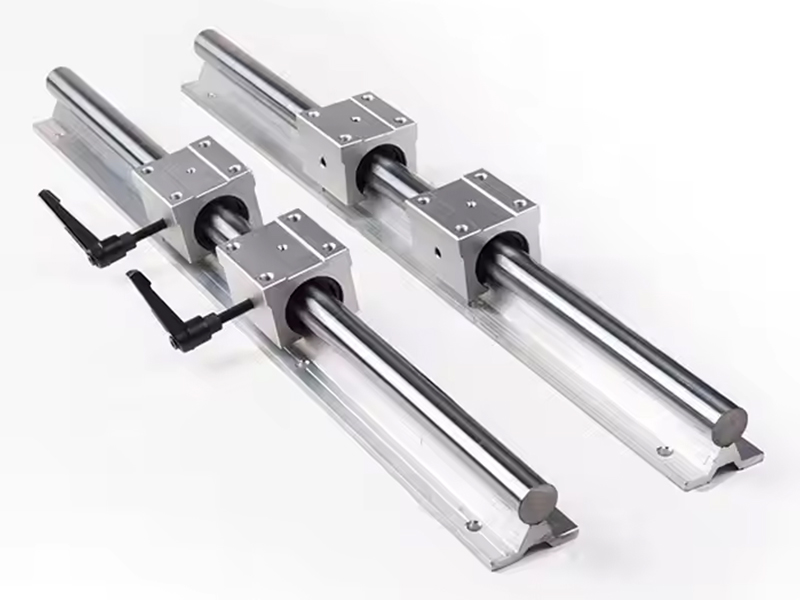
3. Plain Linear Bearings (Bushings)
These are sliding-type bearings without rolling elements.
Advantages:
· Maintenance-free options
· Resistant to dirt and dust
· Lower cost
Disadvantages:
· Higher friction
· Lower precision
Best for:
· Harsh environments
· Low-speed applications
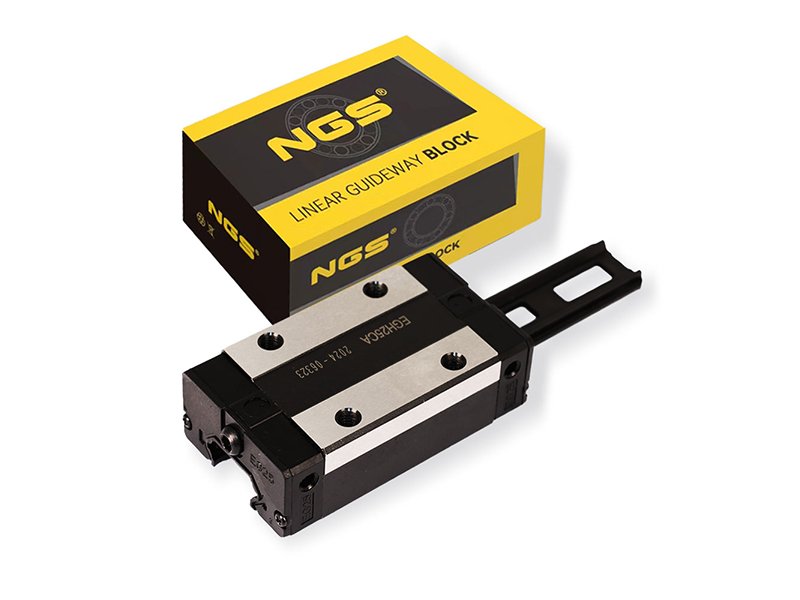
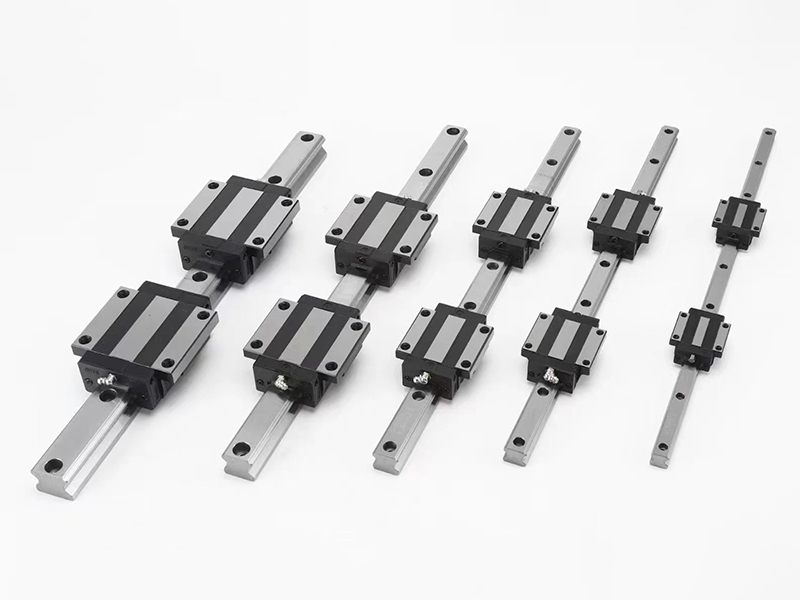
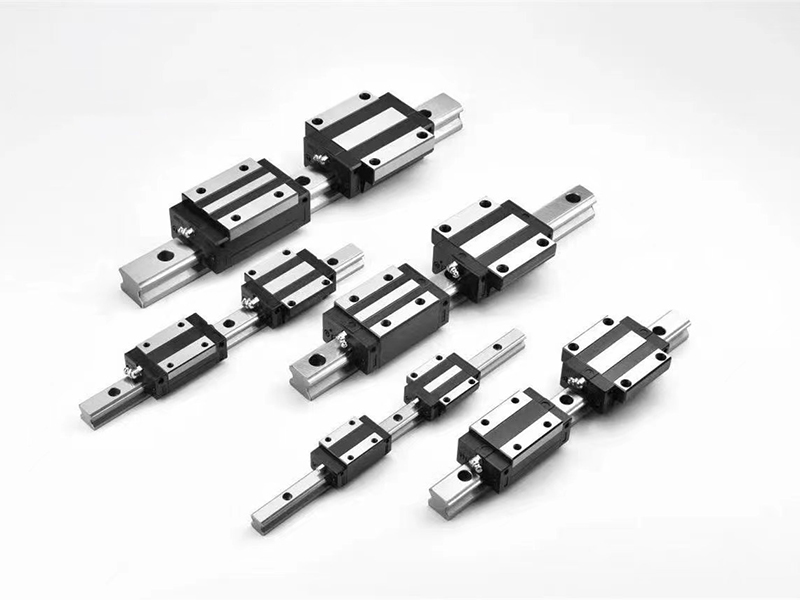
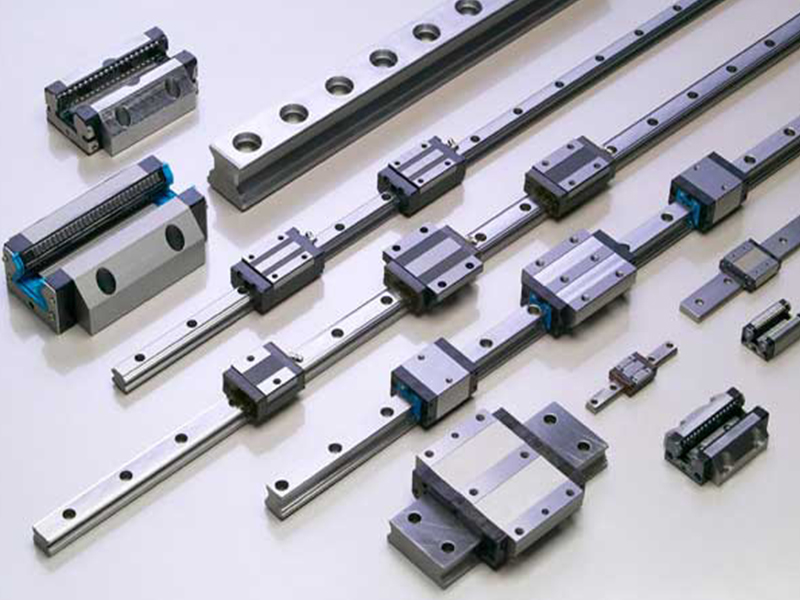
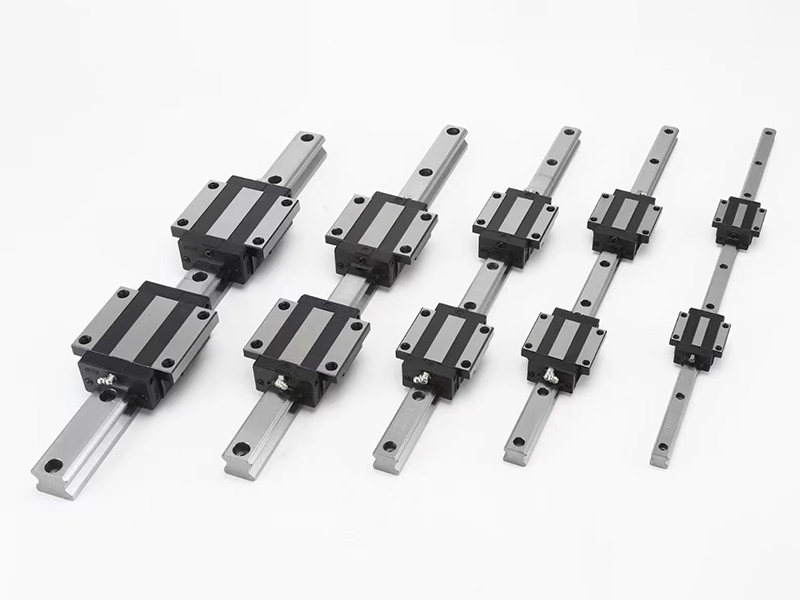
4. Linear Guide Rails (Profile Rails)
These are integrated systems with rails and carriages.
Advantages:
· High precision
· High load capacity
· Long lifespan
Disadvantages:
· Higher initial cost
Best for:
· High-end automation systems
· Precision machinery
Key Factors to Consider When Choosing a Linear Bearing
1. Load Capacity
One of the most important factors is the load the bearing must support.
Types of loads:
· Radial load
· Axial load
· Moment load
�� Choose a bearing with a load rating higher than your actual working load to ensure durability.
Keyword optimization:
· linear bearing load capacity
· heavy duty linear bearing
2. Speed Requirements
Different bearings perform differently under speed conditions.
· Ball bearings → high speed
· Roller bearings → medium speed
· Plain bearings → low speed
If your application involves high-speed motion, selecting the wrong bearing can lead to overheating and early failure.
3. Precision and Accuracy
If your equipment requires high positioning accuracy (e.g., CNC or semiconductor machines), precision becomes critical.
High precision options:
· Linear guide rails
· Ball linear bearings
Keyword variations:
· high precision linear bearing
· linear guide system
4. Working Environment
Environmental conditions significantly affect bearing performance.
Consider:
· Dust
· Moisture
· Temperature
· Corrosion
Recommendations:
· Use sealed bearings in dusty environments
· Use stainless steel linear bearings for corrosion resistance
· Choose self-lubricating bearings for maintenance-free operation
5. Lubrication Requirements
Proper lubrication ensures longer service life and smoother operation.
Options:
· Grease lubrication
· Oil lubrication
· Self-lubricating materials
If maintenance is difficult, opt for maintenance-free linear bearings.
6. Installation and Space Constraints
Space limitations may affect your choice.
· Compact designs → bushings
· Integrated systems → linear guide rails
Also consider:
· Shaft alignment
· Mounting method
· Ease of replacement
7. Cost vs Performance
Many buyers focus only on price, but this can be a mistake.
Important principle:
Lower cost ≠ better value
A slightly higher investment in a quality linear bearing can:
· Reduce downtime
· Lower maintenance costs
· Improve system efficiency
How to Choose Linear Bearing Step-by-Step
Here is a practical selection process:
Step 1: Define Application Requirements
· Load
· Speed
· Stroke length
· Precision
Step 2: Identify Environment
· Clean or dusty?
· Indoor or outdoor?
· Temperature range?
Step 3: Select Bearing Type
· Ball → speed & precision
· Roller → heavy load
· Plain → harsh environment
Step 4: Check Compatibility
· Shaft size
· Mounting design
· Alignment
Step 5: Evaluate Supplier
· Certifications (CE, ISO)
· Production capability
· Customization support
Common Mistakes to Avoid
❌ Choosing Based on Price Alone
Leads to short lifespan and higher long-term cost
❌ Ignoring Load Calculations
Can cause premature failure
❌ Poor Lubrication Planning
Results in increased wear
❌ Wrong Material Selection
Causes corrosion or contamination issues
Linear Bearing Materials Guide
Steel Bearings
· Strong and durable
· Suitable for heavy loads
Stainless Steel Bearings
· Corrosion-resistant
· Ideal for humid environments
Polymer Bearings
· Lightweight
· Maintenance-free
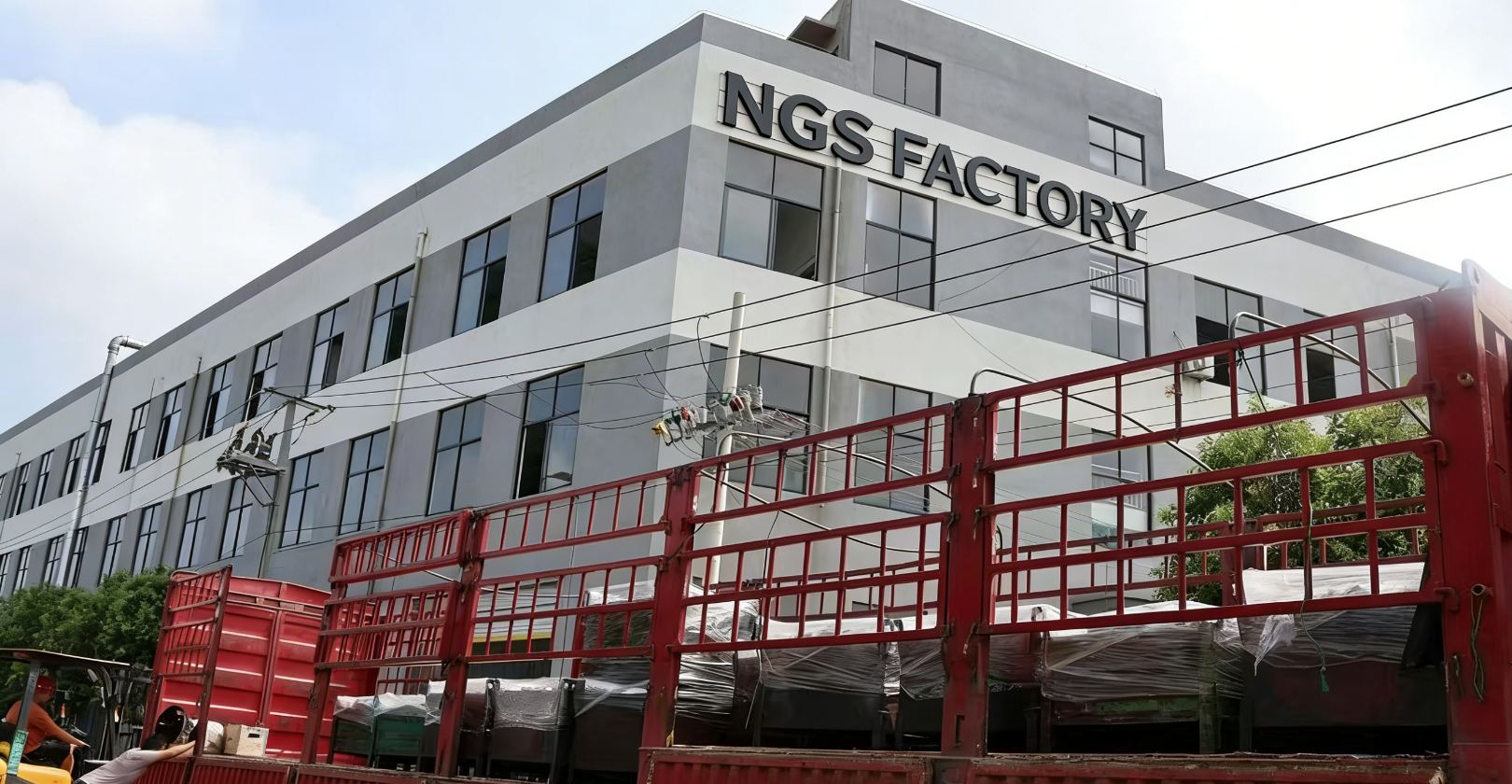
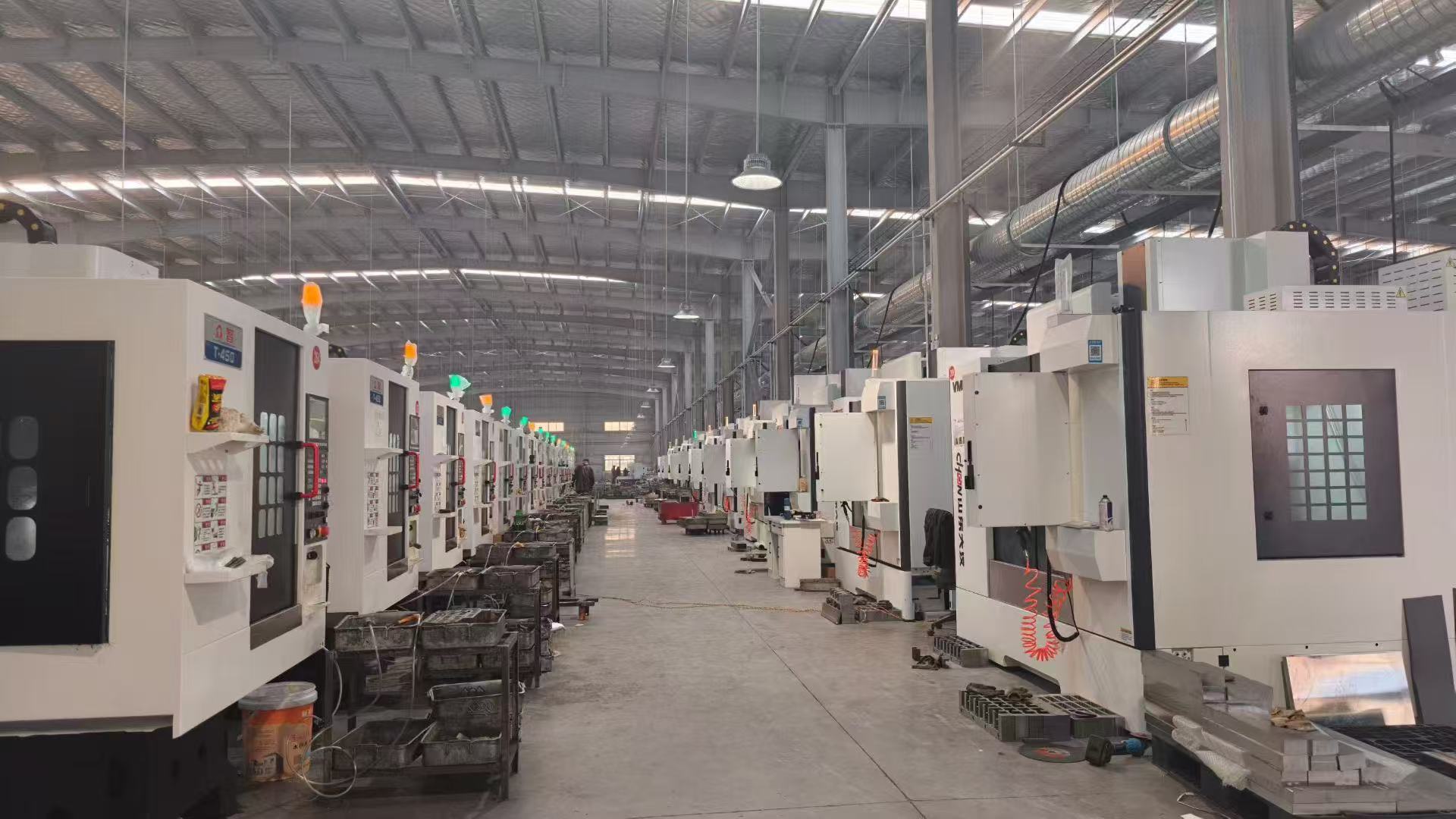
Why Choosing the Right Supplier Matters
A reliable manufacturer can make a big difference.
Look for suppliers who offer:
· OEM/ODM customization
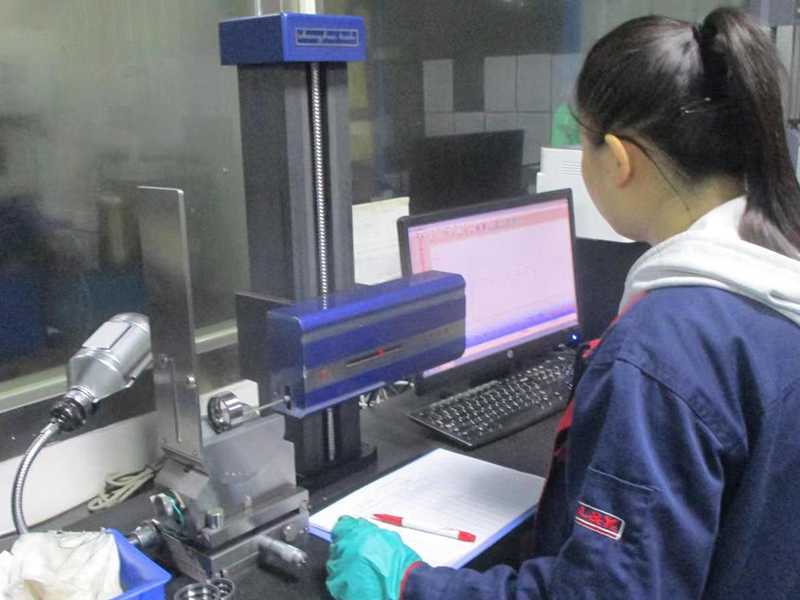
· Stable quality control
· Fast delivery
· Technical support
For B2B buyers, working directly with a linear bearing manufacturer ensures better pricing and customization flexibility.
Future Trends in Linear Bearing Technology
The linear motion industry is evolving rapidly:
· Smart bearings with sensors
· Self-lubricating materials
· Lightweight composite designs
· High-speed, low-noise solutions
These innovations are especially important for robotics and automation industries.
Choosing the right linear bearing is not just about selecting a component—it’s about ensuring the overall performance and reliability of your system.
To summarize:
· Understand your application requirements
· Choose the right bearing type
· Consider load, speed, and environment
· Work with a reliable supplier
By following this guide, you can confidently select the best linear bearing for your needs and improve both performance and cost efficiency.